
Originally published 14/02/2021 and updated 13/02/2024
Let me start by promising you that I had every intention of writing an original piece about this coming Tuesday — known around the world as many things, but primarily as Shrove Tuesday, Mardi Gras, Fat Tuesday. I earmarked today as a chance for me to find out more about carnival food traditions in particular, because I know lots of countries celebrate carnival as spiritedly as we flip pancakes here in the UK.
But then I read the exact kind of story I had in mind, a look at how Mardi Gras is celebrated from food writer Miranda York in the February 2021 edition of the Waitrose FOOD Magazine. Dang. However, though it’s a lovely piece, it didn’t feature Mardi Gras recipes to try.
To bridge that gap (and in so doing avoid having to write something trite and disingenuous about Valentines Day instead), I’ve picked some of my favourite facts from the feature and added a few discoveries of my own, all accompanied by links to recipes you might like to try today or in the coming days — whether you’re giving up anything for Lent or not.
2024 update
Me? I’m sticking to a tried and tested formula and giving up chocolate in all its forms. Plus sweets. That includes cakes with either of these ingredients, but not cakes with fruits, vegetables and/ or nuts in them, because you need to have something to live for, surely.
On that note, if you need a quick hit of inspiration and haven’t got time for the round-the-world selection of recipes, you could do worse than have a two course pancake dinner!
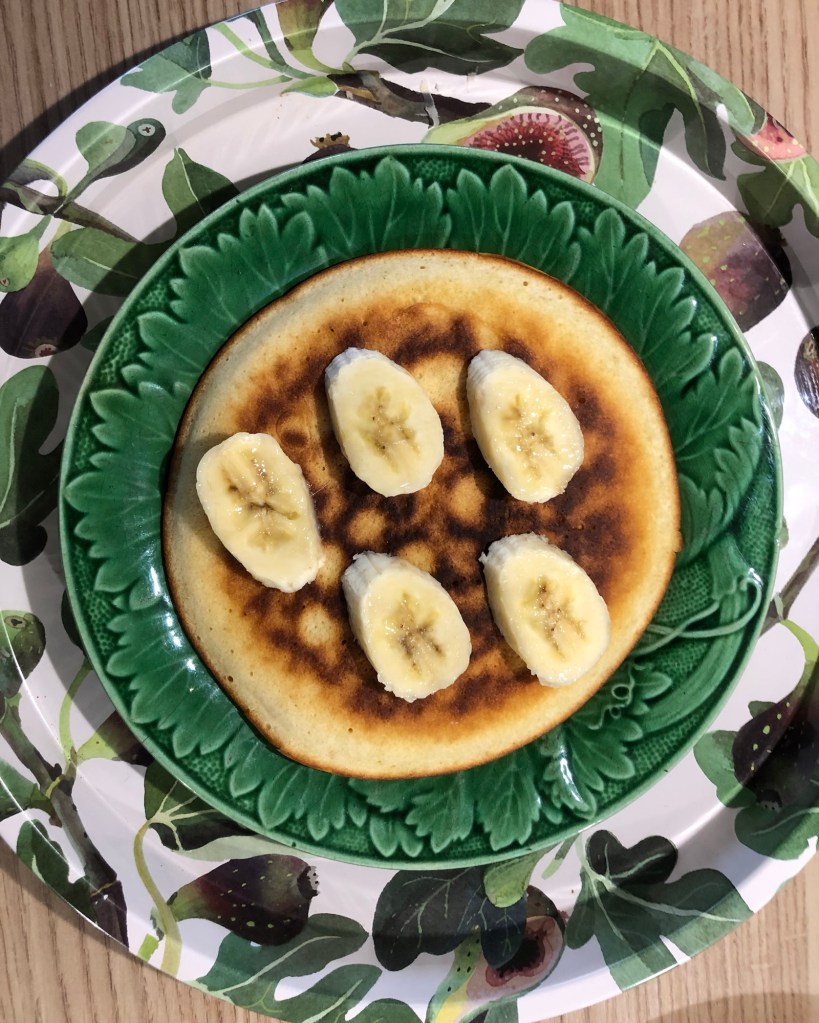
Beginning with this excellent one egg recipe for fluffy American style pancakes, the best I’ve made, and I’ve made a lot! If you’re feeling lazy just do what I do sometimes and pour most or all of the whole portion of batter into whichever size pan suits you.
Followed by a page from the gospel itself, the go-to Crowther household recipe of Delia Smith’s crepe-style classic pancakes, adorned with squeezes of sharp lemon and a sprinkling of caster sugar. There’s simply nothing flipping better on a cold February evening. (You’ll see Delia says you can make 14-16, but every year I’ve made them I’ve probably never made more than eight.)
Happy eating!
- If in doubt, fry it
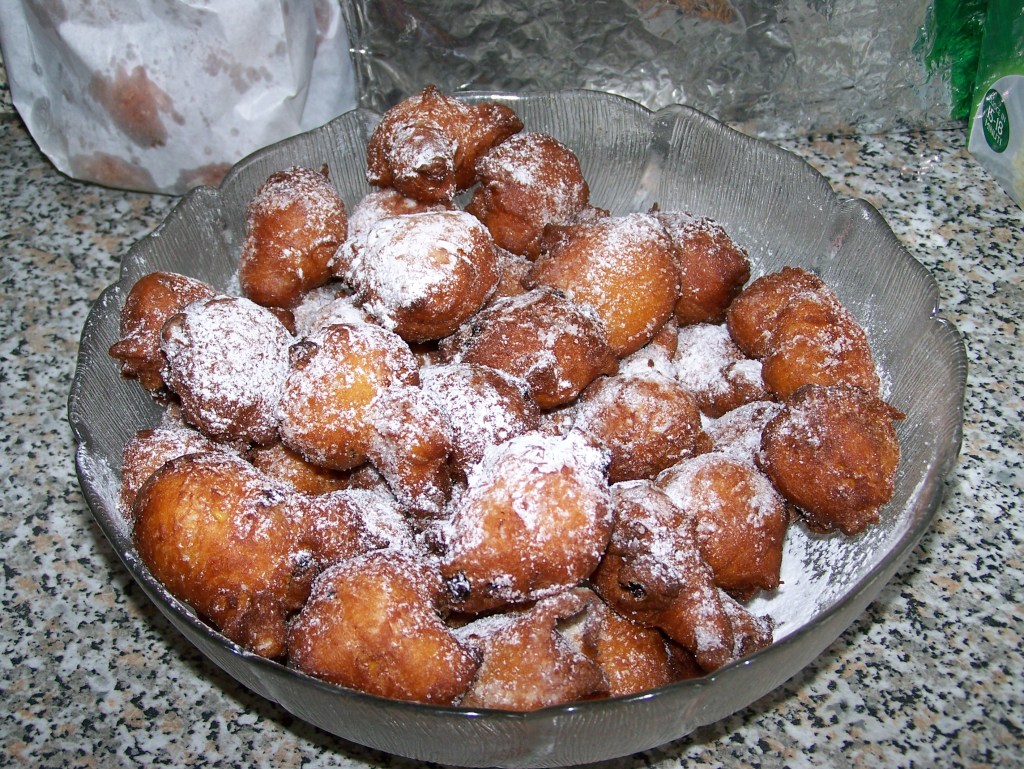
Fried doughnut-style treats are clearly the Mardi Gras treat du jour: during the Venetian Carnevale cake shops produce fritole; in Hawaii they eat malasadas, brought over by Portuguese labourers. Hawaiians in fact still call the day Malasada Day, so integral are these sugar-dusted fried treats; New Orleans is famous for its pillow-shaped dough beignets but NOLA-born journalist Lolis Eric Elie wants the little-known calas to come back into fashion – fried doughnuts using cooked rice. Here’s his recipe on the NYT website.
- Let me hear you sing Carnival Time
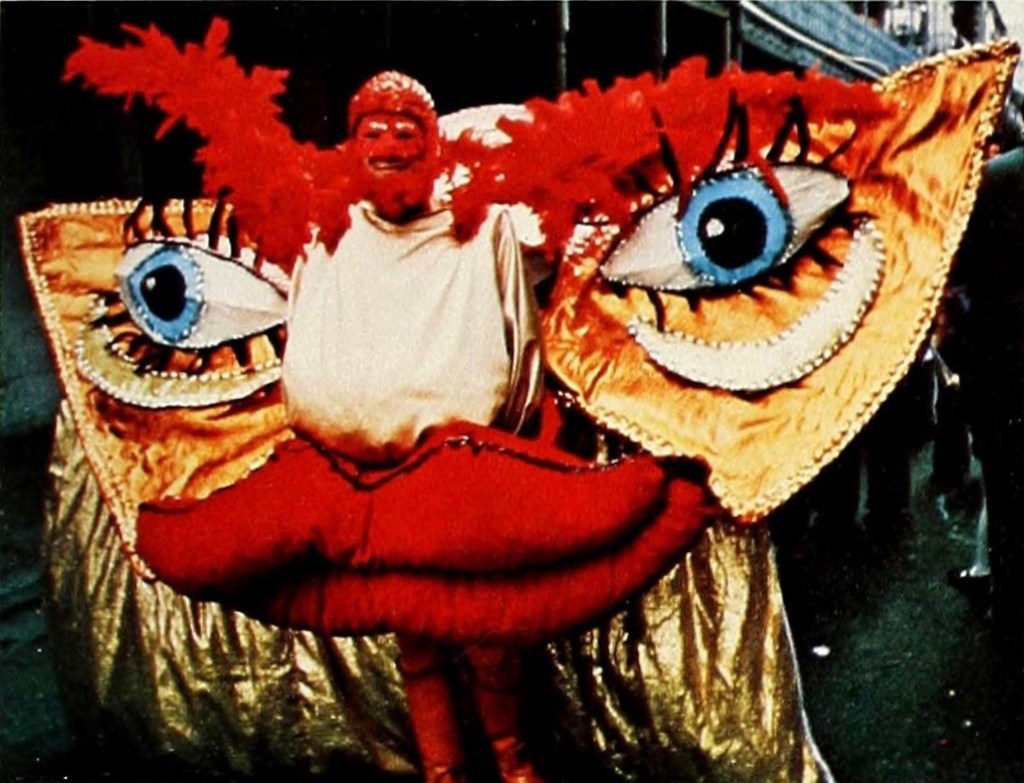
If you fancy working up a carnival appetite, I recommend listening to this wonderful New Orleans Mardi Gras playlist. Kermit Ruffins & The Barbeque Swingers literally sing about the food of New Orleans, and I dare you not to feel joyous listening to this version of Carnival Time from Bo Dollis and the Magnolias.
New Orleans had to cancel Mardi Gras celebrations during the pandemic, but the creativity and fun still flowed — and allowed for the renaissance of the ultimate craft activity, making your own shoebox carnival float!
- C’est bizarre
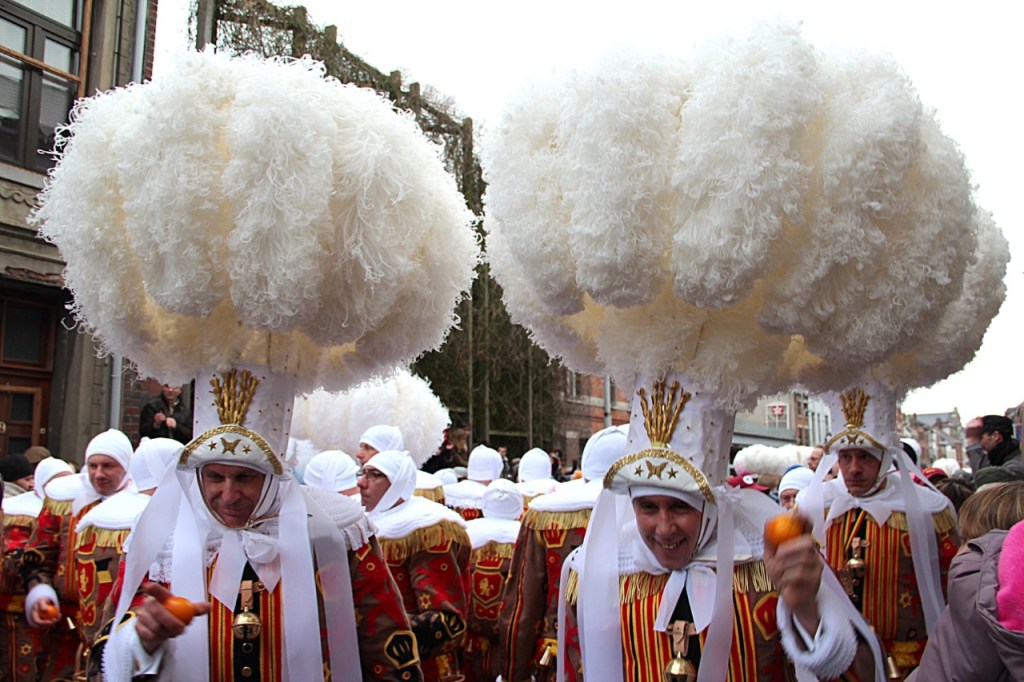
Belgian Fat Tuesday tradition Gilles de Binche wins the oddity prize.
Picture yourself walking down a frosty side street in the town of Binche at dawn. Round the corner, men (only men) are stuffing their costumes with straw to create the silhouette of Gilles, a carnival character that has been around in the French-speaking Wallonian regions of Belgium since the 14th century.
Stuffing themselves with straw is just the beginning. They’ll proceed to go door to door to pick up fellow Gilles. Accompanied by the banging of drums, the men then put on identical (and freaky as hell) wax masks each depicting a pink face wearing green glasses. Armed with twigs or sticks to wave, and sporting clogs, it’s time to parade through the streets, stomping said clogs to ‘wake up the soil from its winter sleep’, as writer Regula Ysewijn puts it.
Those masks are then swapped out for hats festooned with the classic carnival addition of white ostrich feather plumes (real? fake? No idea) and oranges are lobbed into the crowd.
Yup.
There is one part of proceedings I can completely get on board with however: the breakfast tradition of feasting on oysters, smoked salmon and Champagne.
- Pack your sardines
In true Spanish style, pre-Lenten celebrations cover a span of days, including Ash Wednesday itself, and food traditions vary from region to region, village to village.
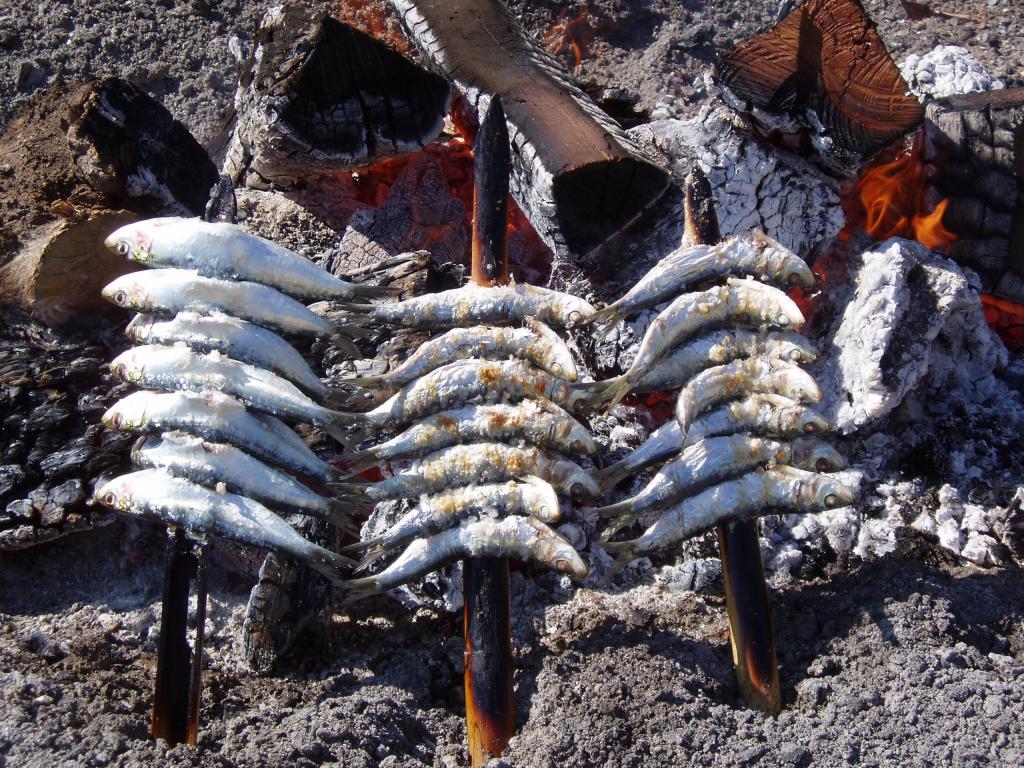
In chef José Pizarro’s village of Talaván in south western Spain they hold what’s called ‘the burial of the sardine’. Symbolically it represents the burial of the past and a new start. (Perfect if, like me, you didn’t bother with new year resolutions…)
Practically, it involves a big barbecue in the main square, giant enough to grill sardines for the whole village, with enough sangria to ensure plenty of sore heads the next day.
Recreate this ritual with Pizarro’s Basque recipe for sardines marinated in cider and dust off that white or red wine at the back of the cupboard for these sangria recipes. Drunken Spanish holiday planning is optional.
Navigating away from fish and wine, Spaniards also celebrate Fat Thursday, or Dia de la Tortilla (day of the omelette). It’s held on the Thursday before Ash Wednesday so it has been and gone this year but why not still embrace the savoury as well as the sweet and make a mini version of this Spanish Tortilla with chorizo.
- Move those trotters
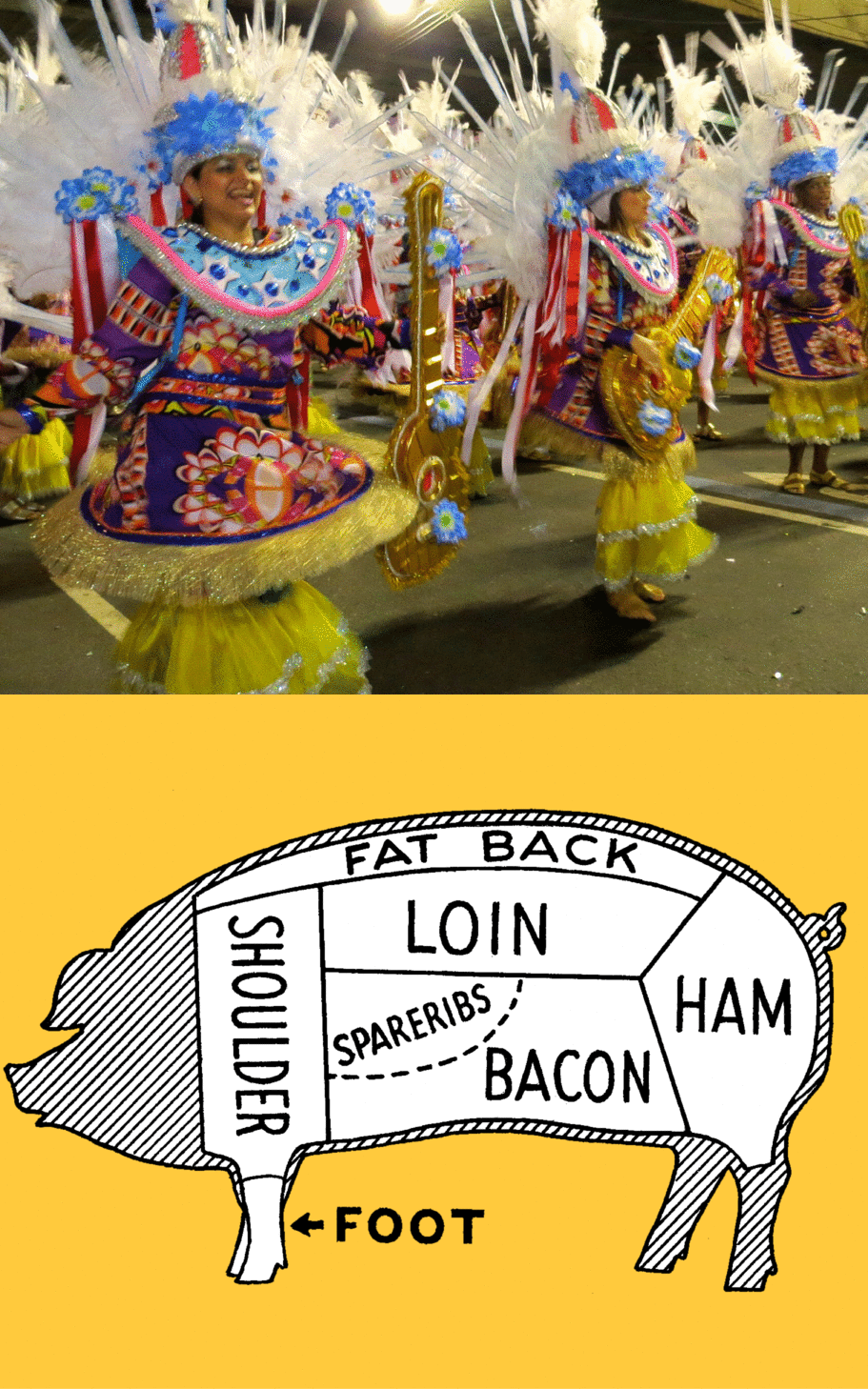
In Rio, something substantial is required after hours of Samba dancing and carnival partying, and it involves trotters. Brazil’s famous carnival dish of feijoada can be made using pork and beef, or just pork. Probably best just to source a whole suckling pig for this one.
- Still, they’re flipping good

Prepared as I am to admit that much of the above completely tramples over the humble way we celebrate Shrove Tuesday in the UK, let’s not forget that some of us like to race each other in the streets while flipping pancakes. It’s thought that the pancake race began in the Buckinghamshire village of Olney, in 1445, a result of a housewife hearing church bells while making pancakes and running to church, pan in hand. To this day, only housewives are allowed to race in Olney, flipping their pancake three times en route to the church. The first to get a kiss from the elected bellringer wins.
It’s not all pancakes and running with pans towards bellringers, on what Scarborough locals call ‘Skipping Day’ rather than Shrove Tuesday, as writer Emily-Ann Elliott outlines.

What of pancakes themselves? The Greeks were at it in the 5th Century, so too the Romans, whose pre-Christian efforts likely influenced what we see as intrinsically linked to Lent and Easter.
Meanwhile, the earliest pancake recipes in Britain are found in cookery books dating from 1439, six years before the Olney race origin story. Chefs inspiring cooking trends clearly goes back a long way.
The usual ingredients are the same the world over (fat (butter, milk), egg, flour, salt) but in the 18th Century you had ‘poor man’s pancakes’ where ale was often added to the batter, which makes sense when you factor in that it was more common a drink than water. For balance, I found there to also be a recipe for ‘rich man’s’ pancakes featuring cream, sherry, rose or orange water and grated nutmeg. Maybe just lemon and sugar for us, thanks!
On that note, as the rain patters outside it’s time for me to pour maple syrup all over a fluffy pancake and look up last minute flights to New Orleans…
 Kate on her travels